Highlights

Elegant Earrings with Old-Cut Diamonds in Platinum & Gold, c. 1910 & Later


€ 4,190.00 *
Content 1 piece
Incl. VAT, Shipping
Elegant Earrings with Old-Cut Diamonds in Platinum & Gold, c. 1910 & Later
Description
This description was automatically translated from German. If you have any questions about this piece of jewellery, we will be happy to help!
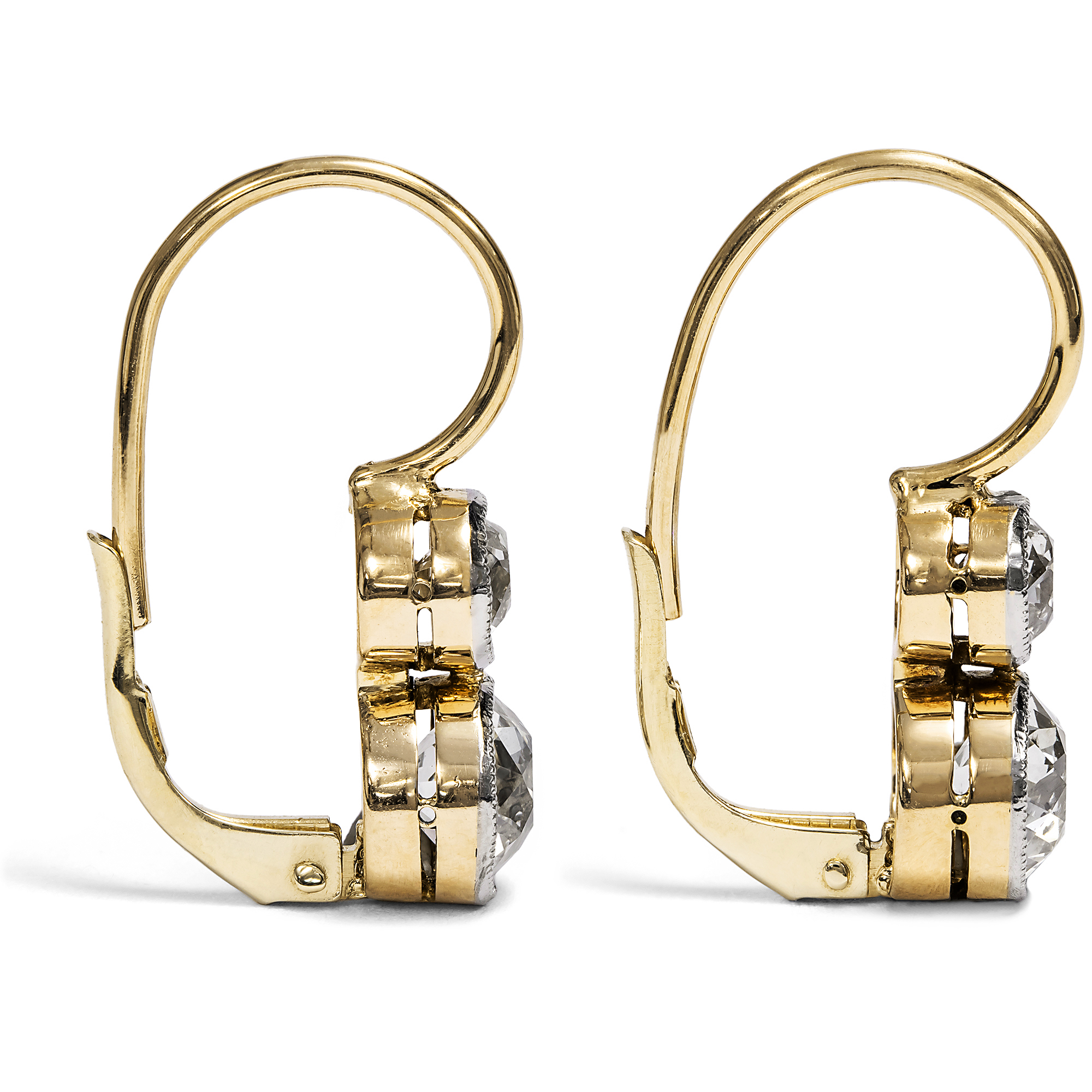
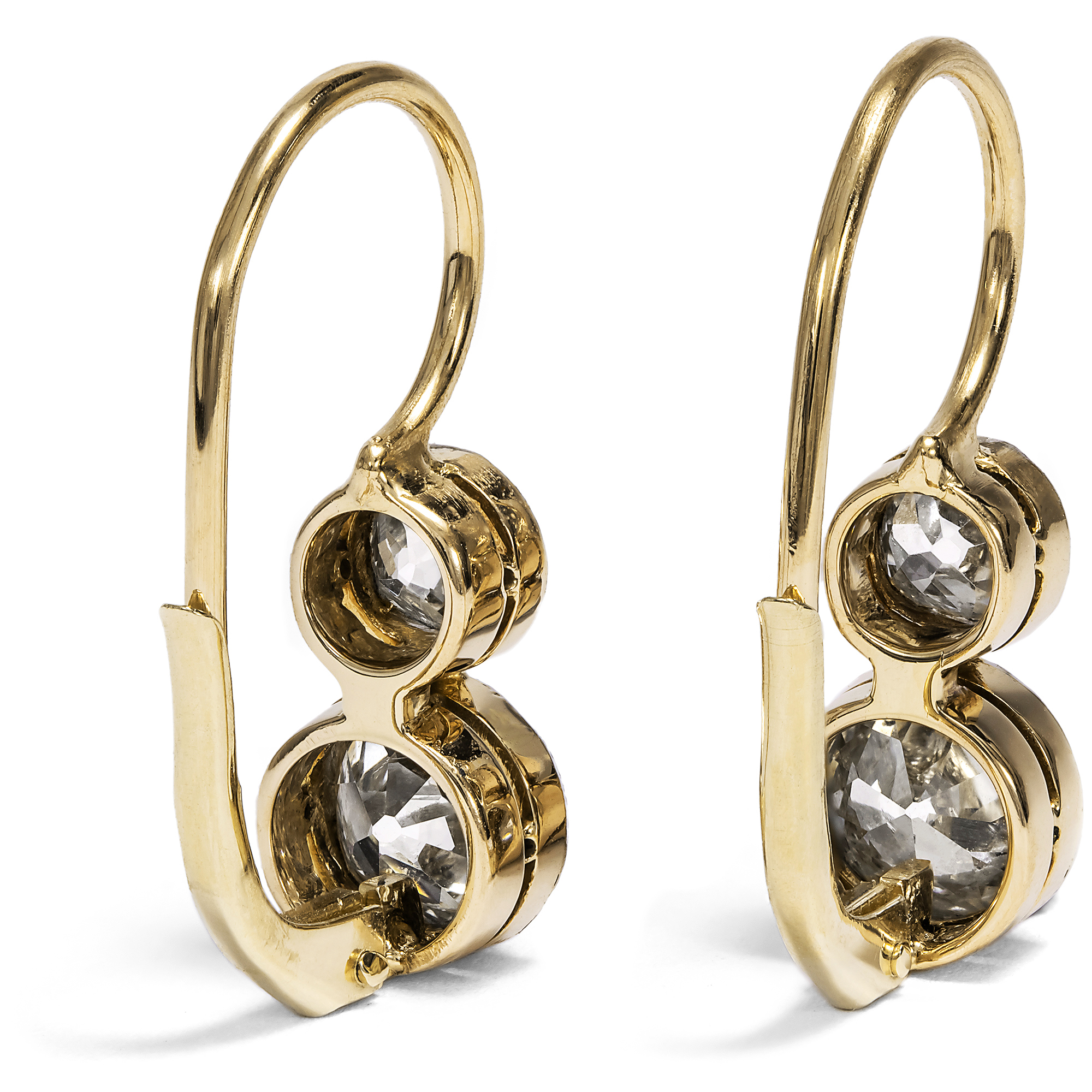
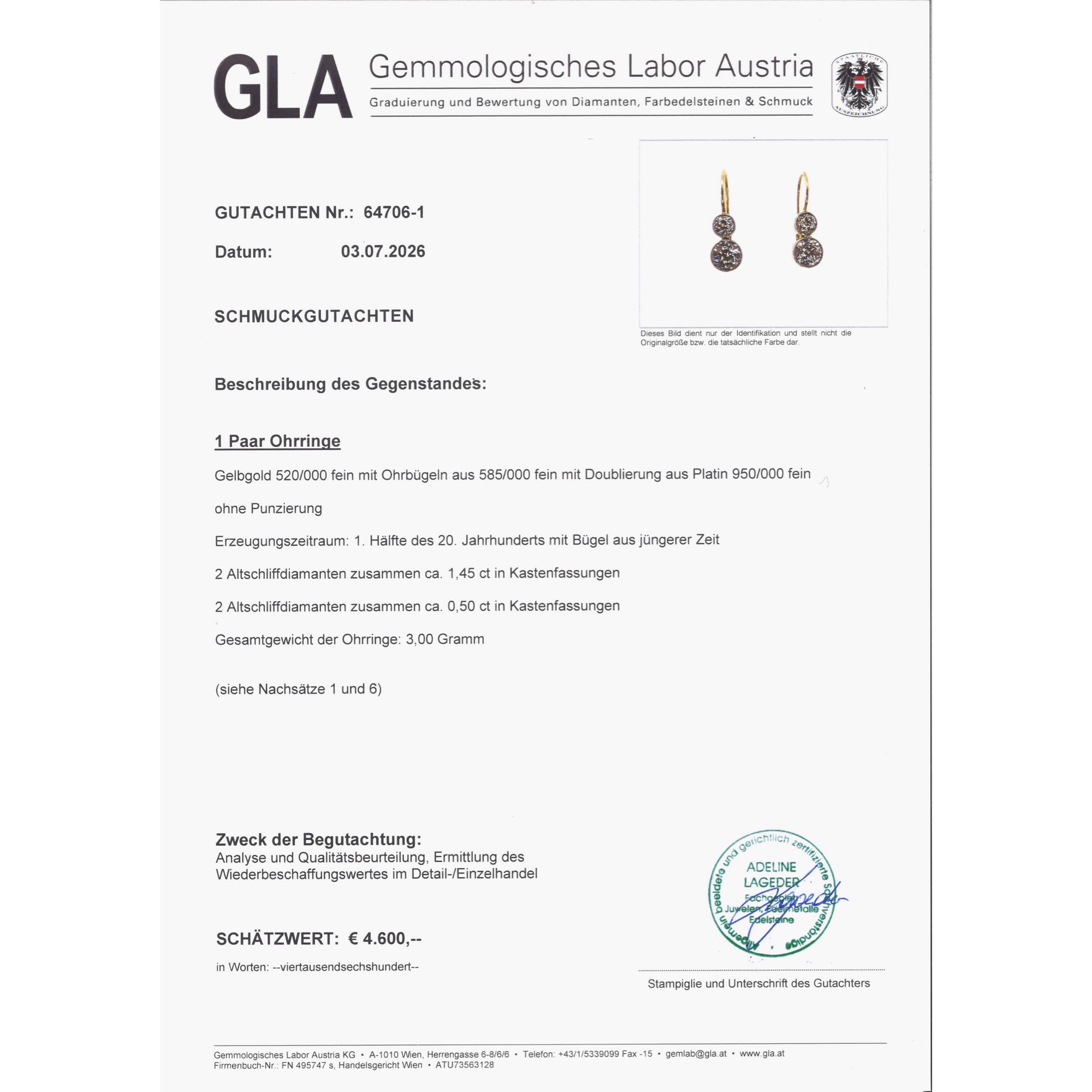
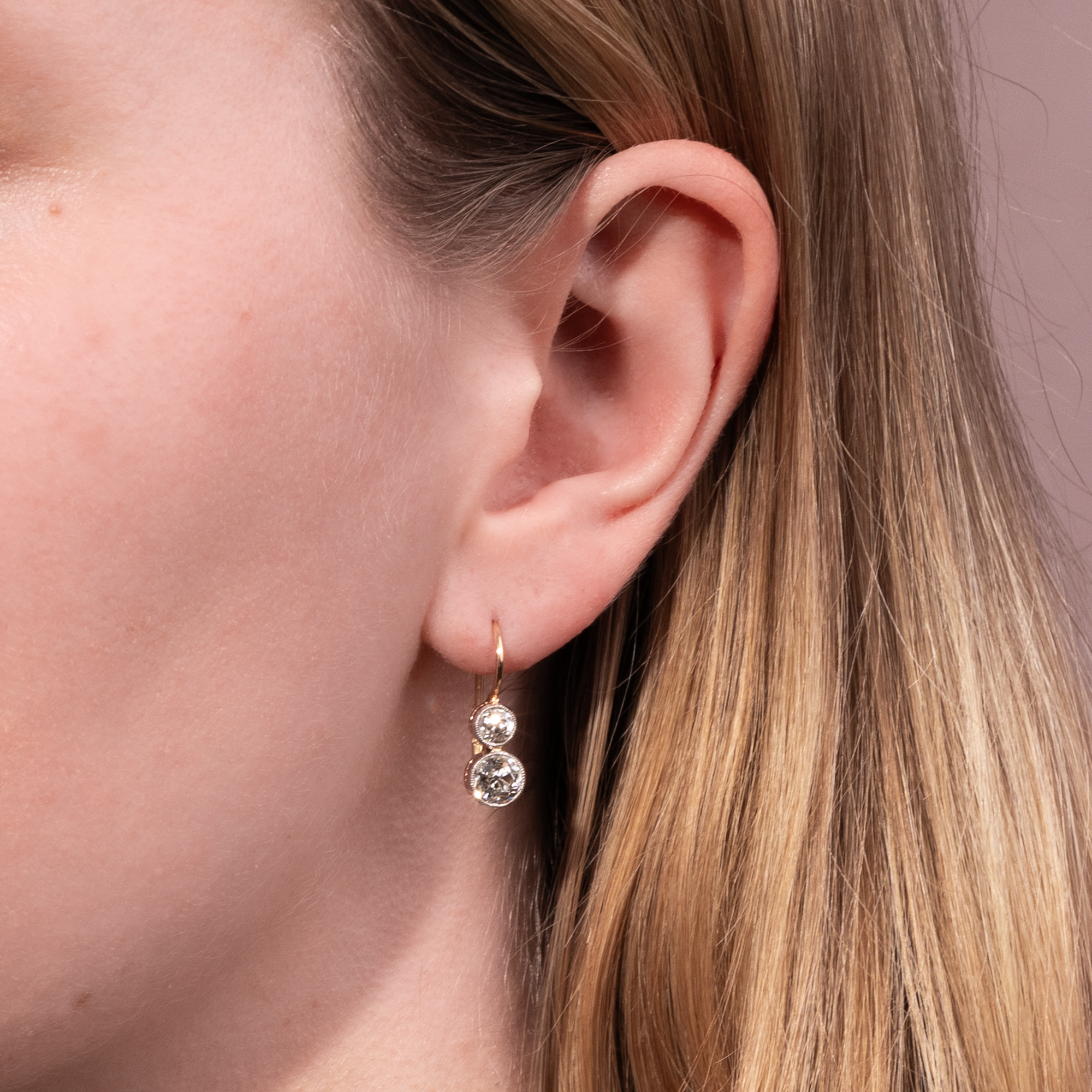
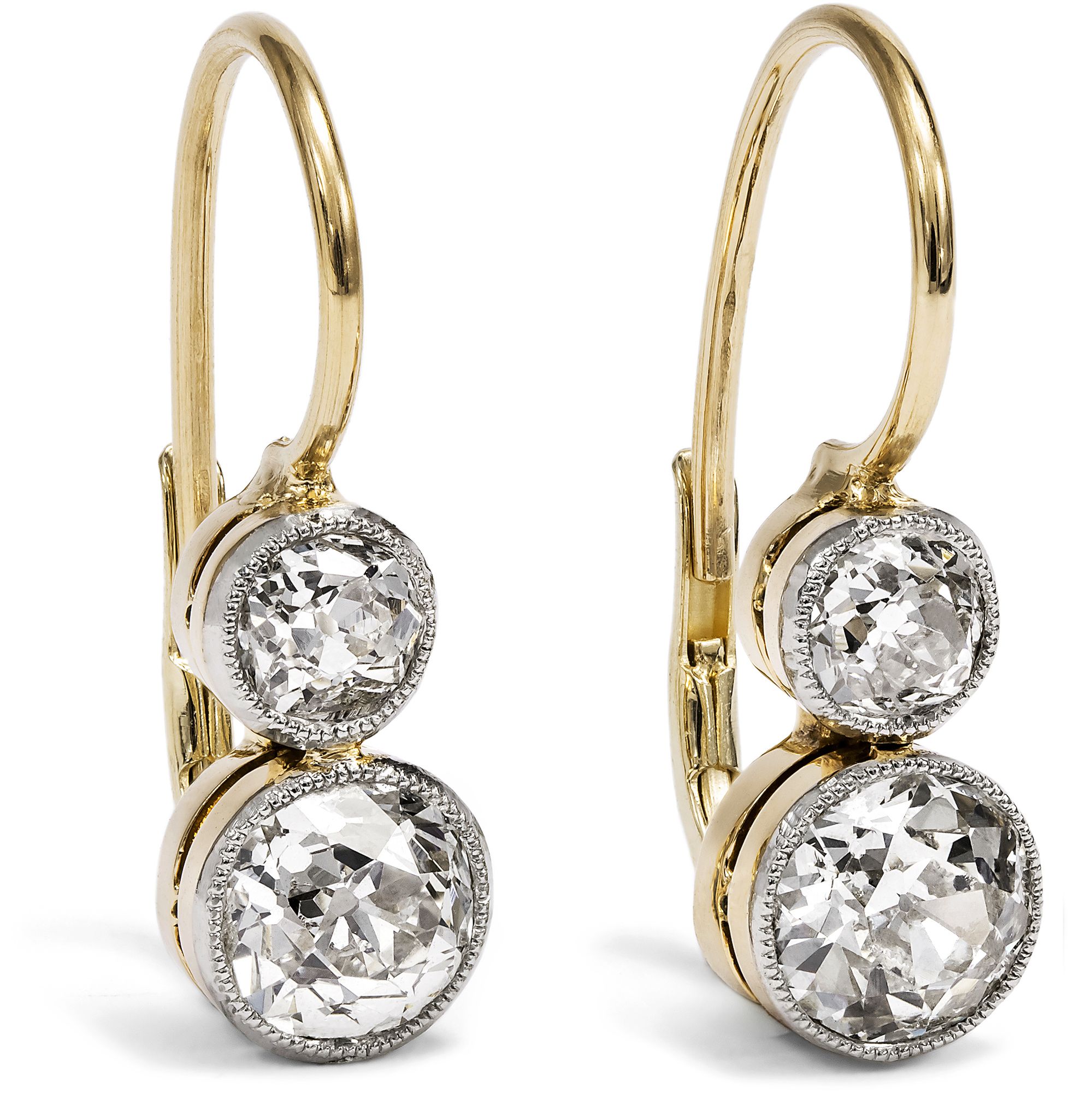
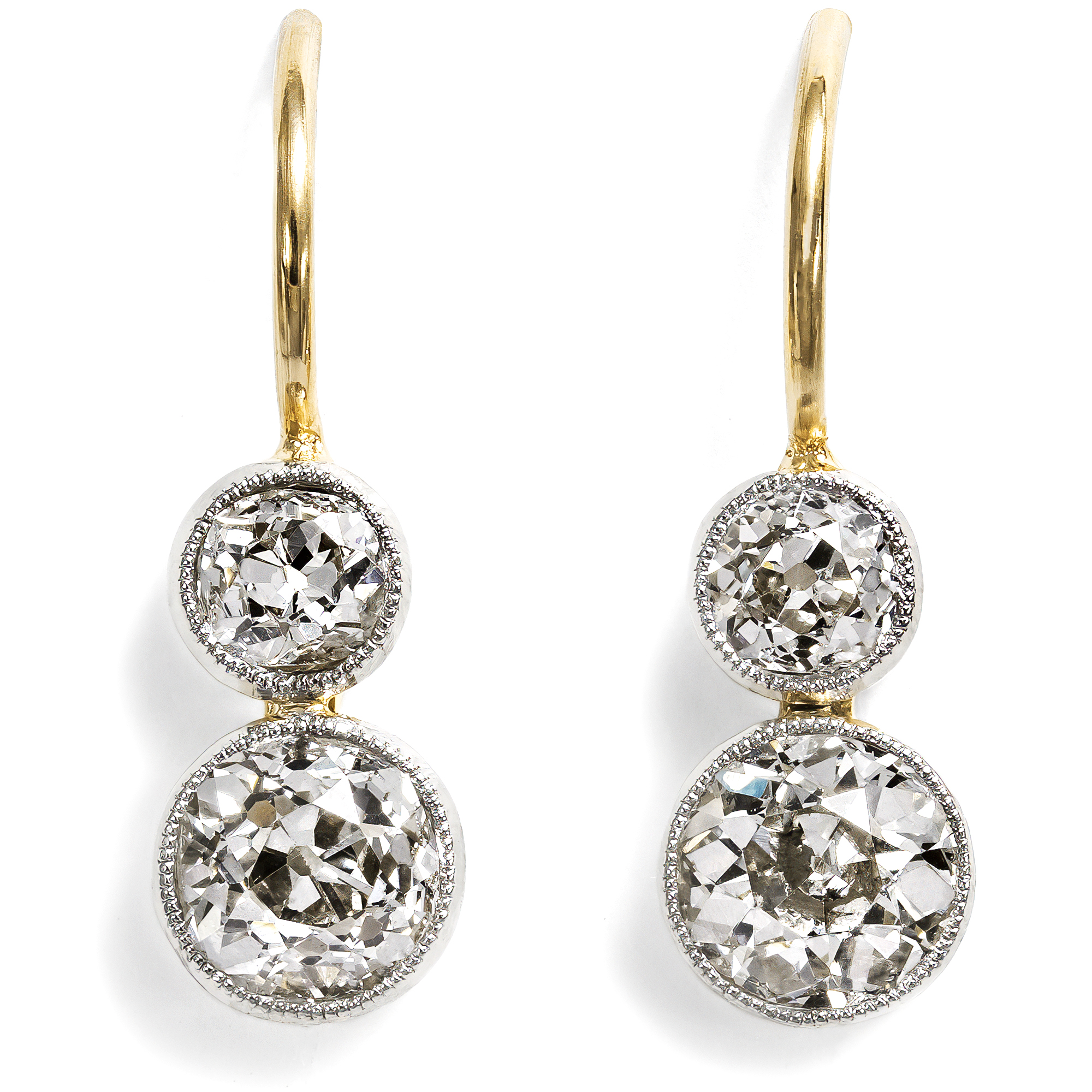
In the years leading up to 1890, a true revolution took place in the world of jewellery. The excesses of historicism in form and colour were no longer considered in keeping with the times throughout Europe. The increasing use of technology in jewelry manufacturing had caused the same designs to be repeated over and over again, until they eventually became interchangeable and mundane. Jewelers feared for their livelihoods: jewelry sales were plummeting, and a new trend was nowhere in sight. By the start of the new decade, the crisis had been overcome. White gemstones were the solution that quickly gained acceptance: white diamonds and pearls sparkled in settings of silver, and later platinum and white gold. The resulting designs were delicate and, in their stylistic language, elegantly understated. Simple, classical garlands or even basic geometric shapes suddenly dominated the scene, which until recently had been populated by numerous cherubs. The earrings presented here are a classic example of this new style, combining diamonds with platinum to create a simple, timeless design. Diamonds in the “Old European Cut”—typical of the period—are set in platinum, making them appear larger. Delicate milgrains lend the setting a sense of great lightness. The smaller diamond marks the starting point at the top of the ear hook, while the larger diamond below it creates a beautiful highlight. The body and hooks of these simple earrings are crafted from gold. As we gaze at the earrings, we seem to hear, ever so faintly, the violins of a ballroom orchestra. Late into the night, by moonlight and beneath the glittering sky: What might these earrings have witnessed? What have they experienced? We have had a detailed appraisal prepared for this pair, which accompanies the earrings. The ear wires and the leverbacks have been recently replaced.
Learn more
In ancient times, diamonds were valued primarily for their unparalleled hardness. As symbols of invincible strength, their beauty was, at best, secondary. In fact, early diamonds do not appear attractive at all to the modern eye. Medieval cutting techniques also did not allow for spectacular light reflections, and the widespread table cuts merely highlighted the stones’ brightness and colour. All that changed during the 17th century. The nobility of the Baroque era developed a preference for sparkling gemstones. Rose cut diamonds were particularly popular, as their numerous facets beautifully reflected candlelight. In the middle of the century, an early form of the brilliant cut emerged, named the Mazarin cut after the influential Cardinal Jules Mazarin and characterized by a crown with 17 facets. Toward the end of the century, these diamonds were replaced by a new cut named the Peruzzi cut after its inventor. Vincenzo Peruzzi was a gem cutter from Venice who increased the number of facets on the diamond’s crown to a total of 33, thereby greatly enhancing the stones’ fire. However, these early brilliant-cut diamonds were not standardized in terms of the number and shape of their facets. Each stone was cut in such a way as to preserve as much of its mass as possible. New diamond deposits in Brazil in the second half of the 18th century then led to a cut that became known as the “Old Mine Cut.” These diamonds already closely resemble today’s round brilliant cuts, but it would take several more generations of steady development in cutting techniques before the “Old Mine Cut” evolved first into the “Old European Cut” and finally, in the 1940s, into the modern round brilliant cut.
Learn more
Read more
Size & Details
Elegant Earrings with Old-Cut Diamonds in Platinum & Gold, c. 1910 & Later
Highlights
€ 4,190.00 *
Content 1 piece
Incl. VAT, Shipping
Our Promise
Our Promise
Our Promise

We want you to be 100% satisfied! For that reason, we examine, describe and photograph all of our jewellery with the utmost care.

You can rely on our years of experience in the trade and our expertise as a professional art historians for reviews of the antique jewellery. As a member of various trade organisations and the British Society of Jewellery Historians, we remain committed to the highest possible degree of accuracy. In our descriptions, we always also indicate any signs of age and defects and never hide them in our photos – this saves you from any unpleasant surprises when your package arrives.

Should you for some reason not be satisfied, please don’t hesitate to contact us so that we can find a solution together. In any case, you can return any article within one month and we will refund the full purchase price.
Learn more