Flowering lightweight

Rare Micromosaic In Aluminum, Set In Gilt Silver, 1860s & Later


€ 3,490.00 *
Content 1 piece
Incl. VAT, Shipping
Rare Micromosaic In Aluminum, Set In Gilt Silver, 1860s & Later
Description
This description was automatically translated from German. If you have any questions about this piece of jewellery, we will be happy to help!
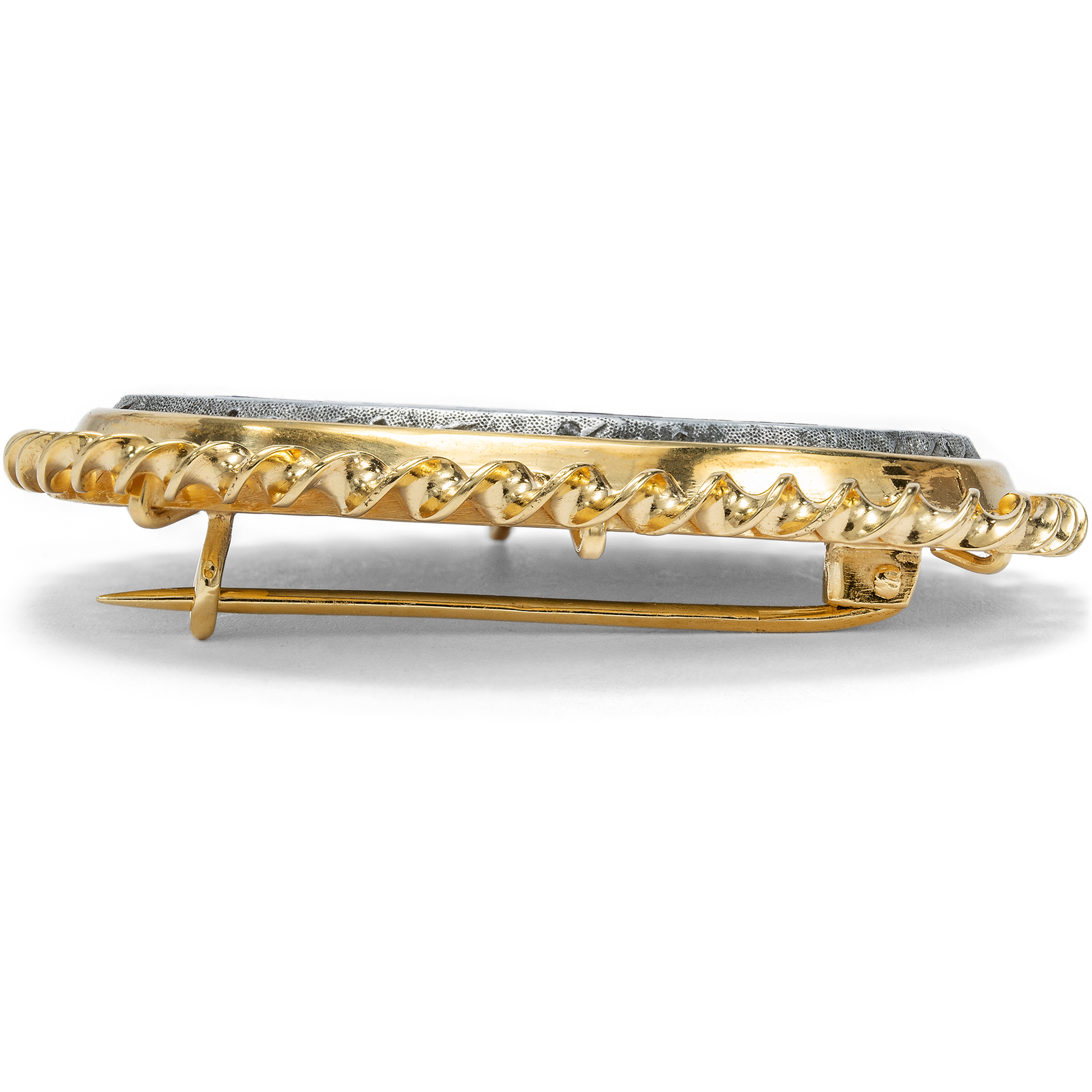
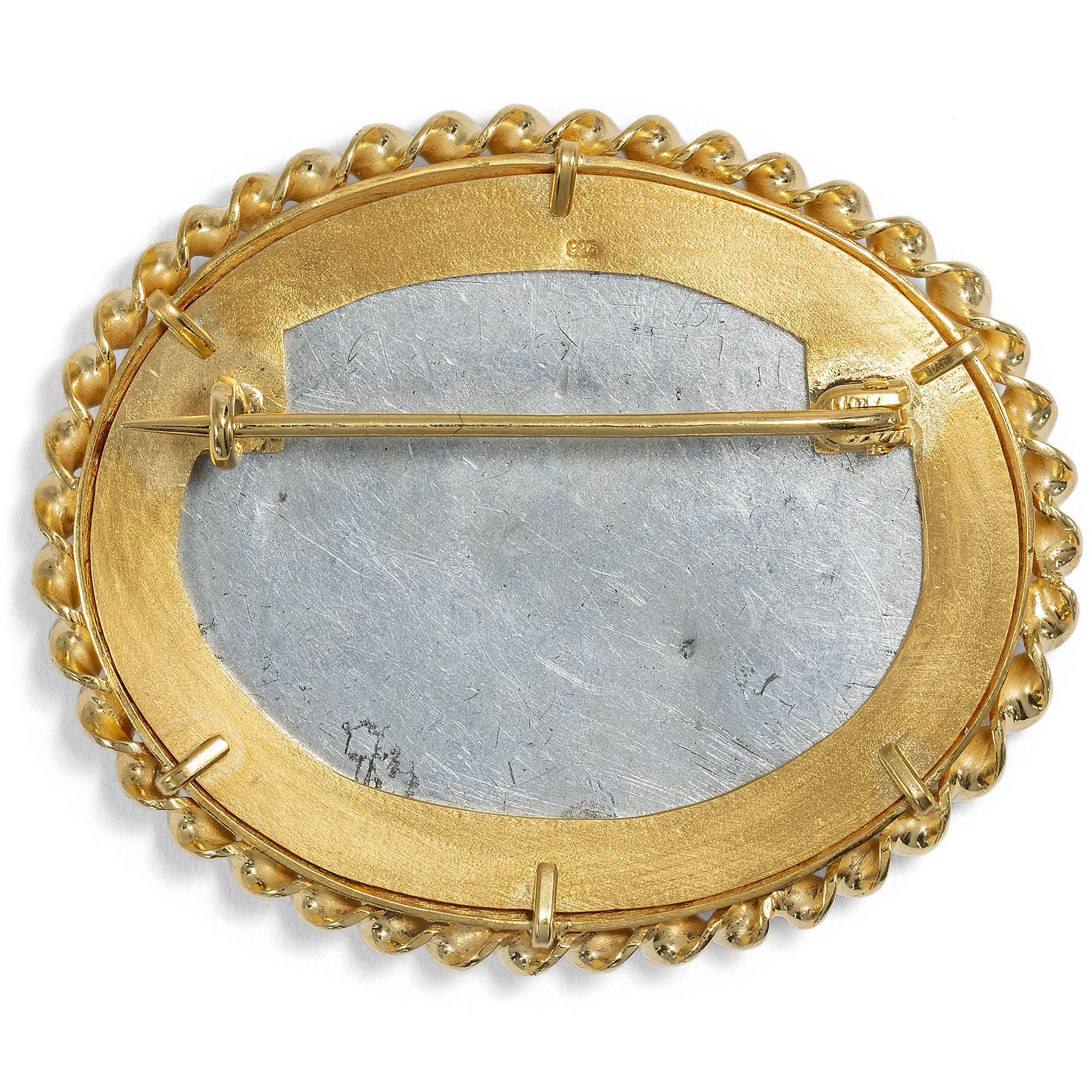
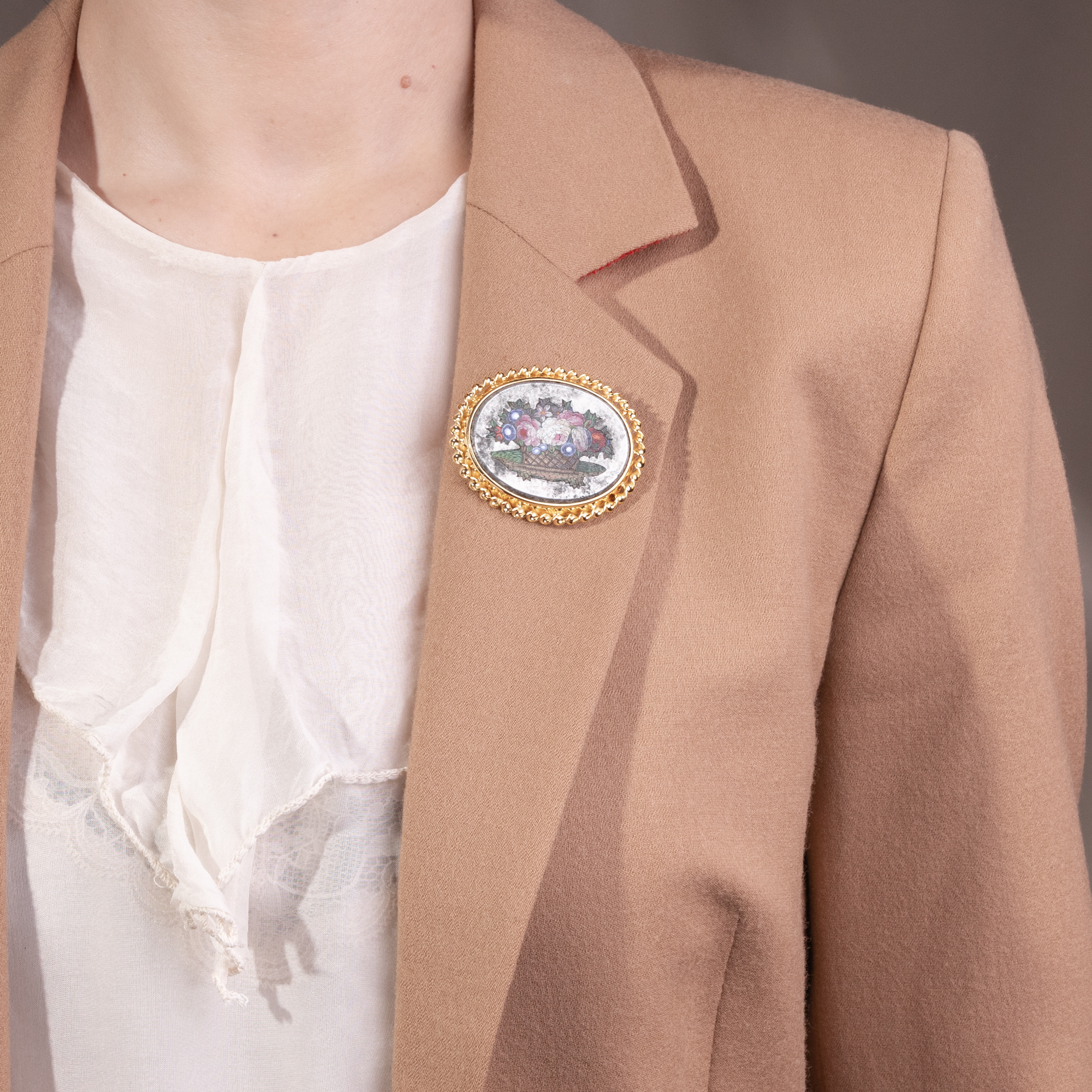
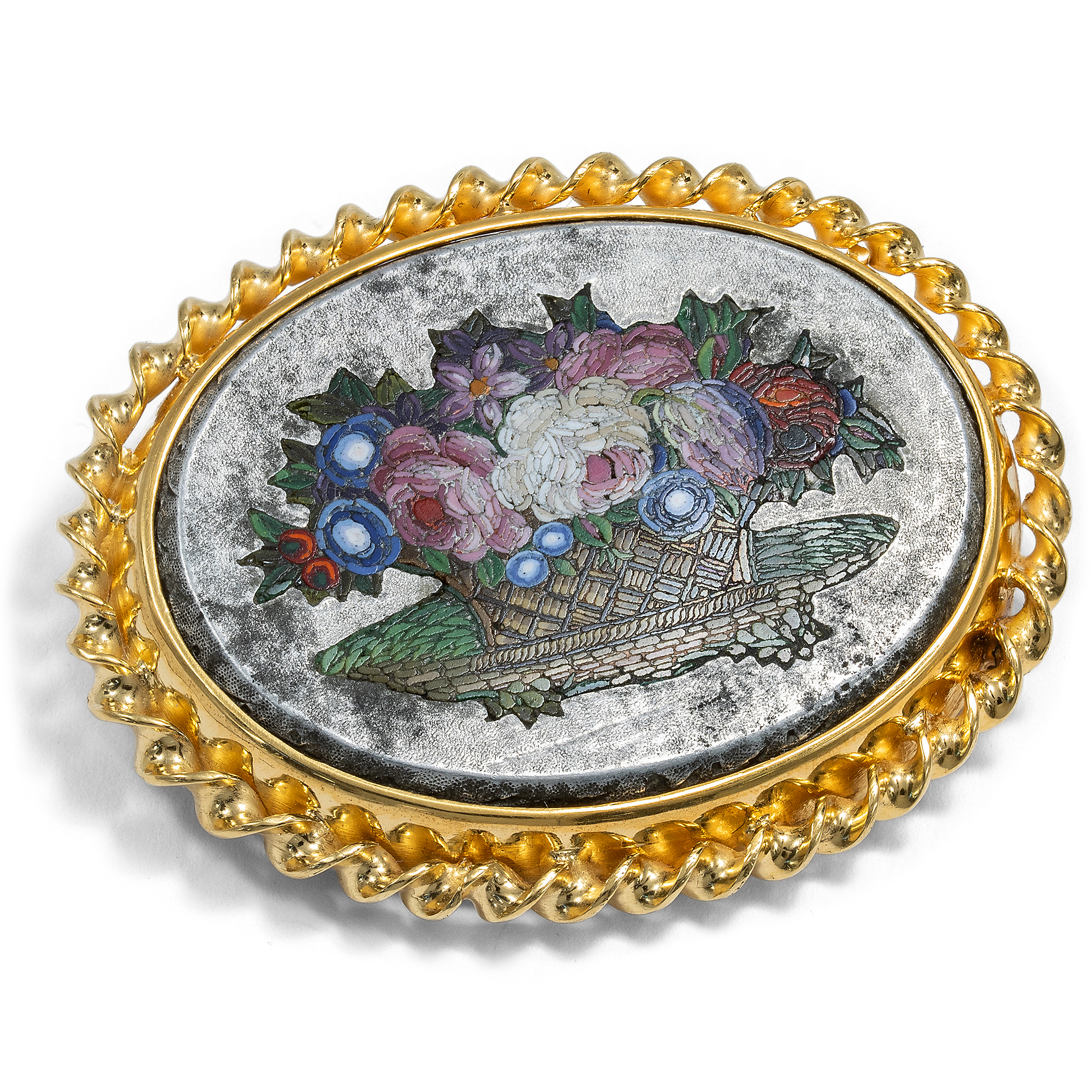
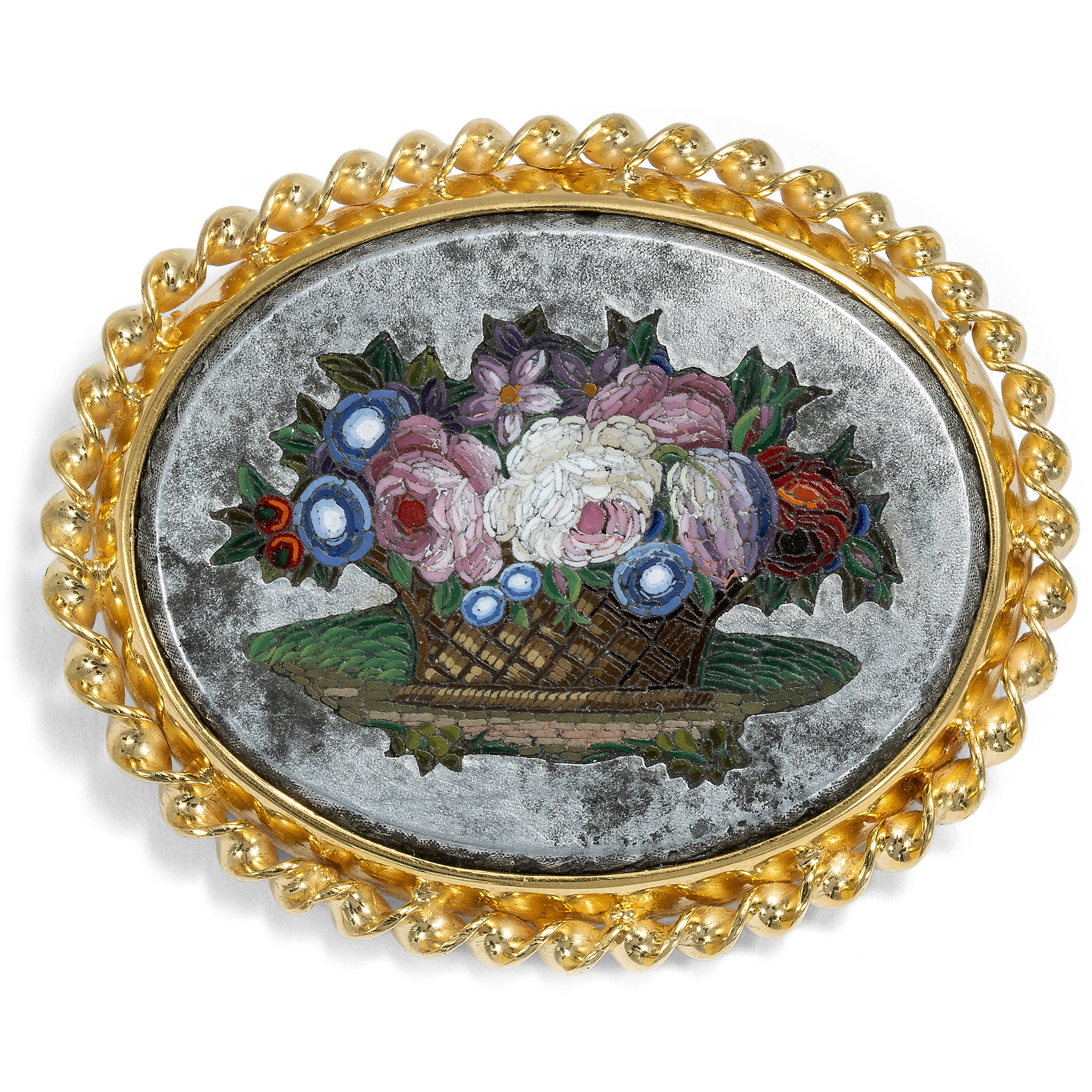
From today's perspective, the use of aluminum in 19th century jewellery is a very surprising chapter in the history of jewellery. In the middle of the 19th century, this metal, which is rather inexpensive today, was traded at around twice the price of gold. Extracting it was complicated and so was processing it: perfect conditions for it to become a sought-after jewelry material. Aluminum first entered the big stage at the 1855 World Exhibition in Paris: Napoleon III purchased a parure made of the new material, which was usually cast into stars or flowers and then engraved. As aluminum could not be soldered, it was set in gold frames like precious gemstones. A very typical bracelet in this style can be found today in the collection of the British Museum, Inv. No. 1991,0106.1. Queen Victoria also owned a bracelet made of the modern material. In the 1860s, aluminum initially retained its status as a special treasure, and jewellery from this period is rare. In the following decades, however, the price fell in line with the discovery of new methods of producing the metal more easily and on a larger scale. But even at the end of the 19th century, jewellery was still being made from aluminum, albeit now mostly set in gold-plated metal and as a kind of cheaper costume jewelry. The brooch shown here is a plaque made of aluminum from the early phase of its use in jewellery. A micromosaic is recessed into its center. The mosaic shows a richly filled basket of flowers. Roses are arranged close together in various shades of pink, red and white. In between are blue flowers, red berries and feathery green leaves. The basket, made of yellow wickerwork, stands on a green bowl. This type of micromosaic is typical of the mid-19th century, which also helps to date the plaque. The aluminum plate, in which the mosaic is recessed, is slightly beveled around the edge and engraved there. Our goldsmiths have added a gold-plated silver setting to make the plate wearable as a brooch. In addition, the warm sheen of the gold complements the piece of jewellery in exactly the same way that aluminum jewellery was set in its time of origin. For the history of aluminum jewellery, see Charlotte Gere/Judy Rudoe: Jewellery in the Age of Queen Victoria, London: British Museum Press 2010, p. 204f., and Shirley Bury: Jewellery 1789-1910. The international Era, 2nd vol., Woodbridge 1991, here vol. 1: 1789-1861, pp. 351-353.
Learn more
The origin of the art of micromosaic lies in Rome. Here, in the Vatican to be precise, a workshop for mosaics made of glass stones had existed since the 16th century. Initially, it was used to permanently protect the altarpieces in St. Peter's Basilica from the soot, moisture and dirt brought into the church by the many pilgrims. Later, after this task had been completed, copies of paintings and landscape depictions in painting size were created. The idea of using this ultimately antique technique for pieces of jewellery and for the decoration of decorative arts came about at the end of the 18th century. As part of the Grand Tour, countless travelers from northern Europe arrived in the city and created a great demand for souvenirs. Not least to serve this market, a completely new art form was created: micromosaics are small and portable and were therefore particularly suitable to be taken back home to the north. As they also usually depict the beauties of Rome or motifs from antiquity, their success as travel souvenirs is hardly surprising. The "invention" of the micromosaic is primarily associated with Giacomo Raffaelli and Cesare Aguatti, who perfected this technique around 1775. They established a tradition from which, until the end of the 19th century, mosaics were created with such a wealth of detail and artistry that had never been achieved before or since. Even today, similar mosaics are still produced in Rome, albeit of a much lower quality. Cf. the relevant literature on the technique and history of micromosaics: Maria Grazia Branchetti: Mosaici minuti romani, Rome 2004, with many works by Giacomo Raffaelli, and Roberto Grieco/Arianna Gambino: Roman Mosaic. L'arte del micromosaico fra '700 e '800, Milan 2001.
Learn more
Read more
Size & Details
Rare Micromosaic In Aluminum, Set In Gilt Silver, 1860s & Later
Flowering lightweight
€ 3,490.00 *
Content 1 piece
Incl. VAT, Shipping
Our Promise
Our Promise
Our Promise

We want you to be 100% satisfied! For that reason, we examine, describe and photograph all of our jewellery with the utmost care.

You can rely on our years of experience in the trade and our expertise as a professional art historians for reviews of the antique jewellery. As a member of various trade organisations and the British Society of Jewellery Historians, we remain committed to the highest possible degree of accuracy. In our descriptions, we always also indicate any signs of age and defects and never hide them in our photos – this saves you from any unpleasant surprises when your package arrives.

Should you for some reason not be satisfied, please don’t hesitate to contact us so that we can find a solution together. In any case, you can return any article within one month and we will refund the full purchase price.

Learn more